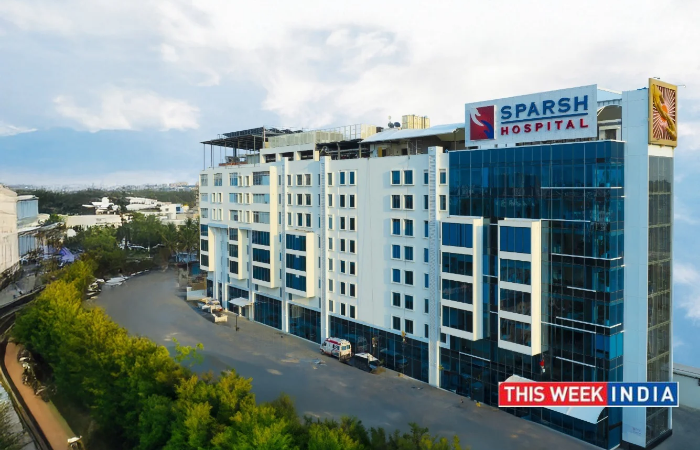
Bengaluru, 30 October 2026: A 36-year-old man with unmanaged hypertension, diabetes, obesity, and a history of smoking recently suffered a severe ischemic stroke, serving as a stark reminder that strokes are increasingly affecting younger adults when multiple health risks are left unaddressed. He received urgent endovascular intervention at SPARSH Hospital, Yelahanka.
The patient was rushed to the emergency department after experiencing sudden speech difficulties. Brain imaging revealed tissue damage from reduced blood supply, while angiography identified a severe blockage in a major brain artery. After receiving initial clot-dissolving medication at another facility, he was transferred to SPARSH Hospital. Because his neurological deficits persisted despite the initial thrombolytic therapy, the medical team immediately proceeded with mechanical clot retrieval.
During the procedure, interventional specialists successfully removed the clot. However, they discovered severe underlying arterial narrowing (stenosis). When balloon angioplasty failed to achieve adequate vessel opening, the team deployed a stent to ensure the artery remained open and restored critical blood flow to the brain.
Commenting on the complex case, Dr. Nandini Mitta, Consultant – Neurology at SPARSH Hospital, Yelahanka, said:
“Stroke is not exclusive to older populations. This case underscores the crucial importance of managing high blood pressure and diabetes, particularly when compounded by smoking and obesity. Persistent symptoms despite clot-dissolving therapy required immediate advanced intervention. The underlying vessel narrowing made rapid referral and stenting essential to preventing permanent brain damage.”
Following the procedure, the patient was started on antiplatelet medication to prevent recurring clots, cholesterol-lowering therapy, and comprehensive supportive care. Follow-up scans confirmed no intracranial bleeding. The patient was successfully weaned off ventilator support, stabilized, and transitioned to the next stage of care and active neurorehabilitation.
Dr. Anil Ramakrishna, Senior Consultant – Neurology, emphasized that continuous neurological monitoring and specialized rehabilitation are pivotal for long-term recovery after such acute events.
Mr. Abhishek Thomas, Cluster COO of SPARSH Hospital Yelahanka and Sarjapur Road, added:
“At SPARSH Hospitals, our priority is providing rapid access to life-saving care during emergencies. Our advanced infrastructure and clinical teams are equipped to handle complex vascular conditions through seamless, coordinated care.”
Key Takeaway
Recognizing early stroke signs—such as sudden speech impairment, face drooping, or arm weakness—is critical. While eligible patients may benefit from clot-dissolving drugs or mechanical thrombectomy, lifestyle interventions remain the best defense. Managing blood pressure and blood sugar, maintaining a healthy weight, and avoiding smoking are essential to reducing the risk of life-threatening vascular complications.