By Dr. Saurabh Bansal
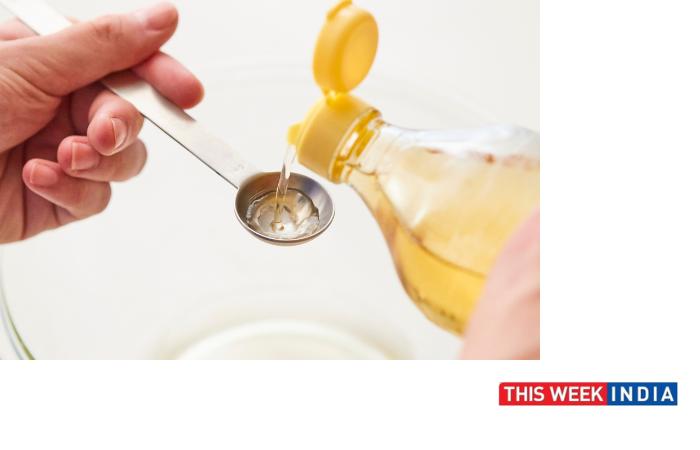
In conversations about health and nutrition, dietary fats often take center stage. While some oils are unfairly criticized, others are overused without much scrutiny. Soybean oil falls into the latter category. Once marketed as a heart-healthy choice, it is now raising concerns due to its potential role in fuelling chronic diseases, including colon cancer.
A study published in *Gut* last year added to these concerns. Researchers examined colorectal cancer tumour samples from 81 patients and found that they contained unusually high levels of omega-6 fatty acids and very low levels of omega-3s. This imbalance is important because chronic inflammation, driven by excess omega-6 fats, is known to fuel tumour growth. In fact, as far back as the 1800s, doctors observed that colon tumours often resembled “poorly healed wounds,” pointing to inflammation as a key culprit.
The Science of Polyunsaturated Fats
Fats are not all created equal. Among the most important are polyunsaturated fatty acids (PUFAs), which come in two essential types: omega-3 and omega-6. Because the human body cannot make them, they must come from diet.
Omega-3 fatty acids, abundant in fish, seeds, and nuts, are celebrated for their anti-inflammatory and protective properties. Omega-6 fatty acids, found in large amounts in seed oils, are also necessary for health, but when consumed excessively they have been linked to cardiovascular disease, diabetes, neurodegenerative disorders, and cancer.
Soybean oil is particularly rich in linoleic acid, an omega-6 fatty acid. Globally, it is among the most widely used seed oils. In India, it ranks as the second most consumed edible oil, frequently promoted as heart-friendly and affordable. But diets high in fried foods, packaged snacks, and ultra-processed products—where soybean oil is commonly used—risk tipping the omega-6 to omega-3 ratio dangerously out of balance.
Why Balance Matters
The modern diet, especially in urban India, is increasingly dominated by fried and processed foods. This trend, coupled with the widespread use of soybean oil, creates a recipe for chronic inflammation and higher cancer risk. To make matters worse, repeatedly heating oils for frying, a common practice at home and in the food industry, produces harmful compounds such as aldehydes and trans fats. These not only raise the risk of cancer but also contribute to heart disease and metabolic disorders.
On the other hand, omega-3 fatty acids—found in flaxseeds, walnuts, green leafy vegetables, and fatty fish—offer powerful protection. Studies show they can slow tumour growth, enhance cancer treatment, and reduce inflammation. Their role in lowering the risk of cancers such as colon, breast, and prostate has been widely documented.
A Timely Reminder
With colorectal cancer cases rising among younger populations worldwide, the message is clear: we need to re-examine our eating habits. In India, where diets are shifting rapidly toward ultra-processed foods and dependence on soybean oil, this warning is especially relevant.
The way forward is not to demonize a single oil, but to restore balance. Rotating edible oils, diversifying dietary fats, avoiding repeated reheating, and improving the omega-6 to omega-3 ratio can help lower long-term health risks. Nutrition, like medicine, is about balance—and small, thoughtful changes today can protect us from chronic illness tomorrow.
(Dr. Saurabh Bansal is a Gastrointestinal, Laparoscopic, Cancer and Robotic Surgery Specialist, and Consultant at Apollo Spectra Hospital and National Heart Institute, New Delhi.)