- Highest Demand for Action: 97% of surveyed consumers in Bengaluru want more anti-counterfeiting campaigns, leading all cities surveyed and outpacing the 93% national average.
- The Confidence-Verification Gap: While 70% of Bengaluru shoppers feel confident spotting fakes, only 59% actively verify authenticity before buying (compared to 62% nationally).
- Widespread Exposure: 90% of Bengaluru respondents admit to having bought a counterfeit item at least once, closely mirroring the nationwide figure of 89%.
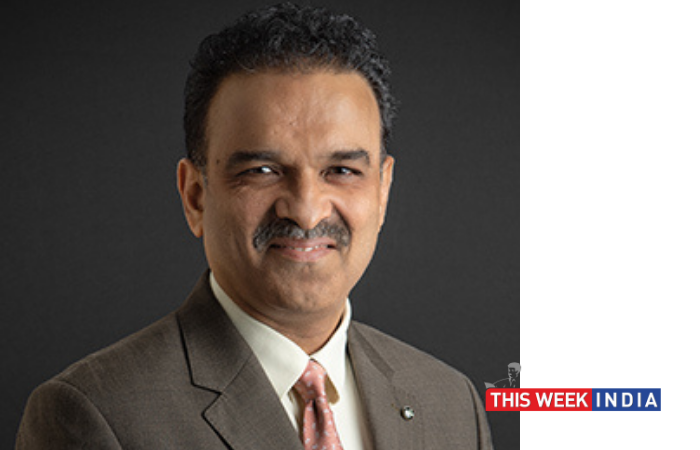
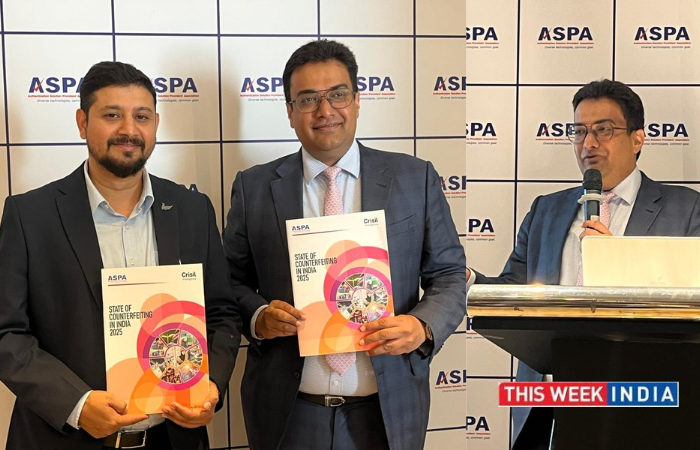
BENGALURU, November 28, 2026 — Consumer demand for protection against fake goods has reached a peak in India’s tech capital, according to findings presented today by the Authentication Solution Providers’ Association (ASPA). Bringing its “Fake Free India” consumer awareness campaign to Bengaluru, ASPA President Mr. Ankit Gupta unveiled regional insights from the ASPA-CRISIL State of Counterfeiting in India 2025 report, calling for more accessible product verification tools and sustained public education.
Based on a nationwide survey of 1,639 consumers spanning nine cities and six major sectors, the study highlights that Bengaluru residents are the most vocal in demanding anti-counterfeiting initiatives. An overwhelming 97% of respondents in the city called for increased awareness campaigns—the highest proportion among all surveyed cities and four percentage points above the national average of 93%. Notably, this demand persists despite 57% of Bengaluru consumers stating they have already seen such campaigns (versus 52% nationally), signaling that existing outreach has yet to satisfy the public’s appetite for information.
Consumer exposure to illicit goods in Bengaluru closely reflects broader national trends. Exactly 90% of city respondents reported having purchased a counterfeit product at least once in their lifetime, virtually matching the 89% national rate. Over the past 12 months, 33% of Bengaluru shoppers encountered a fake product (compared to 35% nationwide). Furthermore, local consumers estimate that roughly 31% of goods available in their neighborhood markets could be counterfeit, edging slightly past the national perception of 29%.
A critical takeaway from the report is the disconnect between consumer confidence and actual purchasing habits. While 70% of Bengaluru respondents expressed confidence in their ability to detect a fake—one of the highest confidence levels recorded across the survey—only 59% consistently verify a product’s authenticity prior to purchase, falling behind the national average of 62%.
Across India, shoppers still lean heavily on superficial cues rather than secure authentication features. Consumers primarily judge authenticity by a product’s physical look and feel (61%), packaging quality (55%), and branding (54%). In contrast, far fewer utilize built-in security tools: only 34% inspect holograms, 23% scan QR codes, and just 13% check digital identities.
On a broader scale, 74% of Indian consumers believe counterfeiting has grown in their region over the last year. Perceived counterfeit prevalence is most acute in apparel (34%) and consumer electronics (31%), followed by healthcare products (28%), FMCG (25%), agrochemicals (23%), and automotive parts (22%). On a positive note, 50% of surveyed consumers stated they would never knowingly purchase a fake product, marking an encouraging rise since the 2022 edition of the survey. To capitalize on this shift, ASPA emphasized transitioning shoppers away from visual guesswork toward reliable technologies like secure packaging, serialization, QR-based verification, and track-and-trace systems.
Following earlier rollouts in Mumbai in March 2026 and Hyderabad in August 2026, today’s Bengaluru event advances the Delhi-headquartered association’s nationwide outreach. Guided by its four core pillars—Awareness, Advocacy, Research, and Innovation—ASPA continues to equip stakeholders with actionable data to combat illicit trade, urging ongoing media collaboration to amplify these findings. Looking ahead, ASPA will convene the 7th edition of its flagship Traceability and Authentication Forum (TAF) in New Delhi in March 2027 under the theme “Trust. Together. – Building a Secure & Traceable India.”
Commenting on the findings, Ankit Gupta, President of ASPA, stated: “Bengaluru has delivered a clear message through this survey: 97% of consumers here want greater awareness around counterfeiting, the highest of any city we studied. Shoppers here are confident and digitally savvy, yet confidence alone cannot safeguard buyers if verification remains complicated. Our real challenge is turning that confidence into a consistent habit of checking before buying. Through our ‘Trishul’ approach—bringing brands, regulators, and consumers together—we can simplify authentication, strengthen trust, and build a safer marketplace for everyone.”