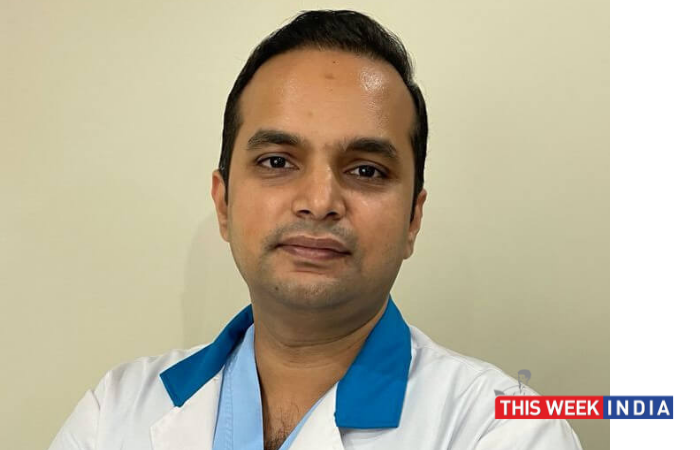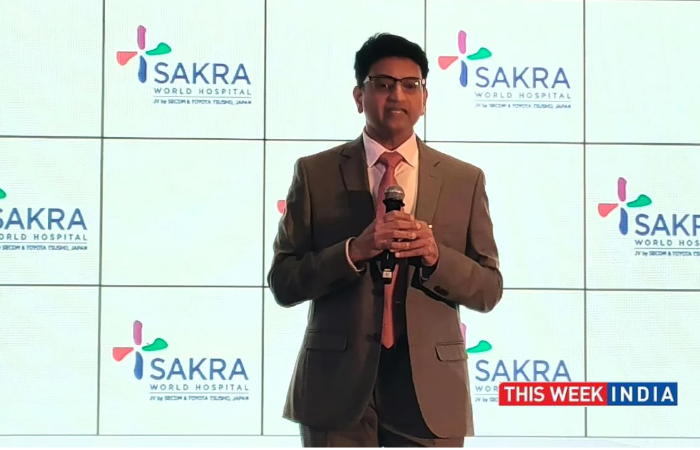
Bengaluru, November 13, 2026: Sakra World Hospital, India’s first 100% FDI-funded tertiary care institution, has reached a major clinical milestone by completing 1,000 robotic-assisted cardiac surgeries. Spearheaded by Dr. Adil Sadiq, Director and Head of Cardio Thoracic & Vascular Surgery (CTVS), this achievement marks a national first and highlights the hospital’s deep expertise in minimally invasive heart care.
The robotic cardiac programme covers a range of complex interventions, including coronary artery bypass grafting, atrial septal defect (ASD) closures, and mitral valve repairs and replacements. Coronary bypass surgeries make up the vast majority of the caseload, accounting for roughly 88% to 90% of all procedures performed under the initiative.
Unlike traditional open-heart operations, which typically require surgeons to split the breastbone to access the heart, robotic-assisted techniques allow eligible patients to be treated through small incisions made between the ribs. Operating from an ergonomic console, the surgeon uses the da Vinci surgical system to manipulate specialized instruments with enhanced dexterity, guided by a high-definition, magnified 3D view of the chest cavity.
For patients who qualify, avoiding a sternotomy often translates to reduced post-operative pain and a faster discharge from the hospital. However, clinical suitability depends heavily on the complexity of the cardiac condition, individual anatomy, and overall health, meaning conventional open surgery remains the standard and necessary route for many individuals.
Reflecting on the milestone, Dr. Adil Sadiq noted how cumulative experience shapes patient consultations. “The insights we have gained across 1,000 procedures directly inform how we evaluate and counsel each new patient,” he explained. “Beyond clinical factors like disease severity and anatomy, we ask patients what returning to normal life looks like for them. A younger individual and an older adult often have very different recovery goals, and discussing those priorities beforehand ensures families have realistic expectations about the surgical outcome and healing timeline.”
Real-world patient recoveries illustrate the programme’s reach across demographics. In one notable case, an 84-year-old man diagnosed with severe blockages in all three major coronary arteries underwent a robotic-assisted triple bypass. He was discharged just four days post-surgery and, being an avid tennis player, resumed playing the sport within a month. In another instance, a 58-year-old male suffering from chronic heart failure and long-standing rheumatic heart disease underwent a robotic mitral valve replacement. Discharged on the fifth day, his follow-up evaluations showed normalized heart and lung pressures within three weeks and marked improvement in his heart failure symptoms at the six-month mark.
Leadership at Sakra World Hospital emphasized the role of technology and operational rigor in sustaining these results. Mr. Yuichi Nagano, Managing Director, remarked that surgical technology is actively transforming cardiac care by enabling greater precision through less invasive methods, reaffirming Sakra’s dedication to adopting tools that elevate patient outcomes. Deputy Managing Director Mr. Kei Iiyama echoed this sentiment, pointing to ongoing investments in advanced medical infrastructure and specialized talent to bring world-class treatments closer to patients.
Operational efficiency also plays a critical role in the operating theatre. Group Chief Operating Officer Mr. Lovekesh Kumar Phasu highlighted that consistent success in intricate heart surgeries relies on tight teamwork and dependable hospital systems. To maintain this standard, Sakra integrates Kaizen—a Japanese philosophy of continuous improvement—to streamline operating room preparation, equipment setup, and intraoperative coordination.
A clinical review of the 1,000 procedures, conducted between July 16, 2022, and November 12, 2026, underscores the programme’s safety profile. The data reveals an average inpatient stay of 4.34 days, blood transfusion requirements in under 20% of cases, and a 30-day mortality rate below 1%. Moving forward, Sakra World Hospital remains focused on advancing its minimally invasive cardiac capabilities through personalized treatment planning and coordinated clinical care.